From My Research · Egypt, Pennsylvania
When I served as pastor at Shepherd of the Hills Lutheran Church in the small community of Egypt, Pennsylvania, Newhard, Moyer, and Kern were among the names of people in my congregation. They belonged to the community in which Nan and I lived and worked. Thirty years later, those same names have reappeared in my family research. I was researching the ancestors and relatives of people whose faces and families I still remembered.
That recognition changed the way I understood the records. These were no longer unfamiliar families in a distant place. Their descendants had been part of our daily lives. My research was taking me back into a community where I had already belonged, revealing connections I had not understood while living there.
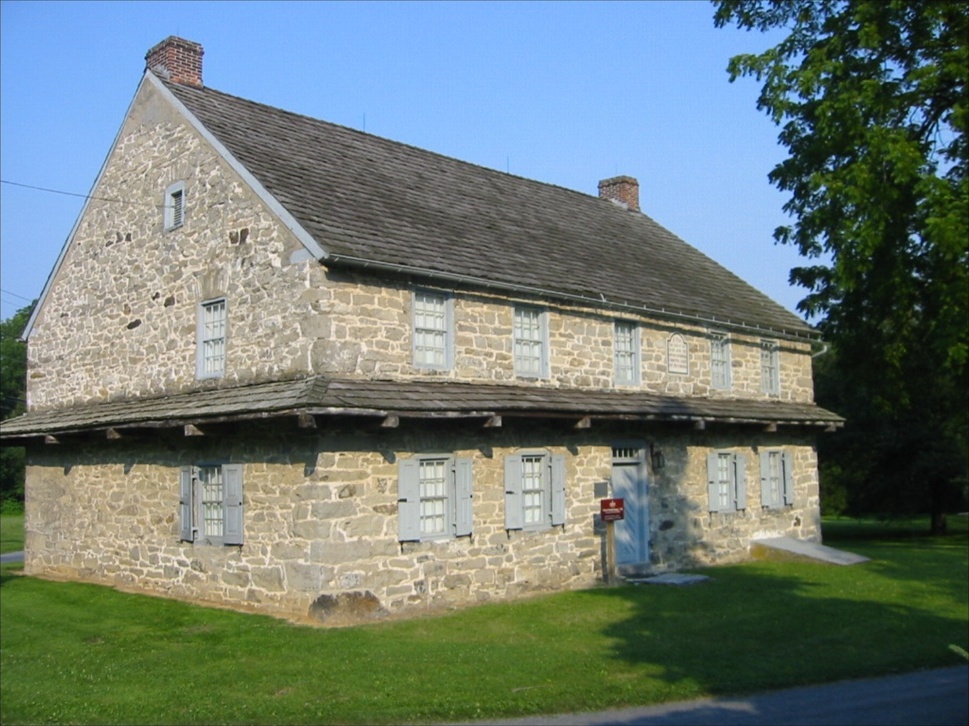
The Troxell–Steckel House offered another encounter between history and experience. The historic home in the town where we once lived bore the same family name as Nan’s grandfather. As I followed her Steckel ancestry, the house became more than a local landmark. It belonged to the history of her family.
Built by John Peter Troxell in 1756 and sold to Peter Steckel in 1768, the property remained in Steckel hands for some 140 years. Those dates once would have described the history of an old house. Now they marked generations of a family whose descendants included my wife.
The church connection brought that recognition still closer. The Union Church in the history of my own congregation was the same church whose construction Nan’s ancestor helped fund. I had known it through the congregation’s story. Through genealogy, I encountered it again as part of Nan’s inheritance. My ministry and her ancestry met in the same place.
I didn’t know the full extent of those connections when we lived in Egypt. Thinking about it still amazes me. We sometimes imagine ancestral research carrying us farther away—across an ocean, into another century, among people whose lives seem remote from our own. In Egypt, it brought me back to familiar names and places with a new understanding of what they meant.
When history meets lived experience, the world seems to contract into a familiar neighborhood. Centuries remain between us, but the sense of distance changes. A name in a church register recalls a family from the congregation. A historic house carries a grandfather’s surname. A church’s founding becomes part of a marriage’s family story.
I went looking for the lives before us and found that, for a few years, we had been living among their descendants, serving their church, and living within walking distance of their house.


